


Spiking Neural Networks (SNNs)
Neuromorphic processing for ultra-low power, real-time intelligence.
Why SNNs?

Conventional AI at the edge is hitting a wall: power budgets, latency, and cloud dependence choke real-world deployments. Sensors capture rich signals, but silicon can’t keep up efficiently. Innatera’s neuromorphic Pulsar chip removes this bottleneck, delivering brain-inspired, event-driven intelligence directly at the sensor, where fast decisions actually need to happen.
- Ultra-low power operation enabling continuous sensing in micro- and nano-watt ranges
- Real-time responsiveness with inherently low processing latency
- Privacy by design through fully on-device data processing
- Compact and scalable architectures optimized for embedded systems
- Robust, adaptive performance resilient to noise and sparse signal activity
Where our technology
makes a difference
Ultra-low power
Innatera’s Spiking Neural Processors deliver up to 500x lower energy than conventional edge AI, enabling truly always-on sensing in battery devices.
Instant response time
Innatera’s event-driven SNNs react up to 100x – Lower latency vs traditional pipelines, turning raw sensor spikes into decisions in real time.

No cloud
Innatera’s local intelligence drastically cuts radio and cloud usage, extending battery life by orders of magnitude and keeping data private on-device.
Developer-friendly SDK
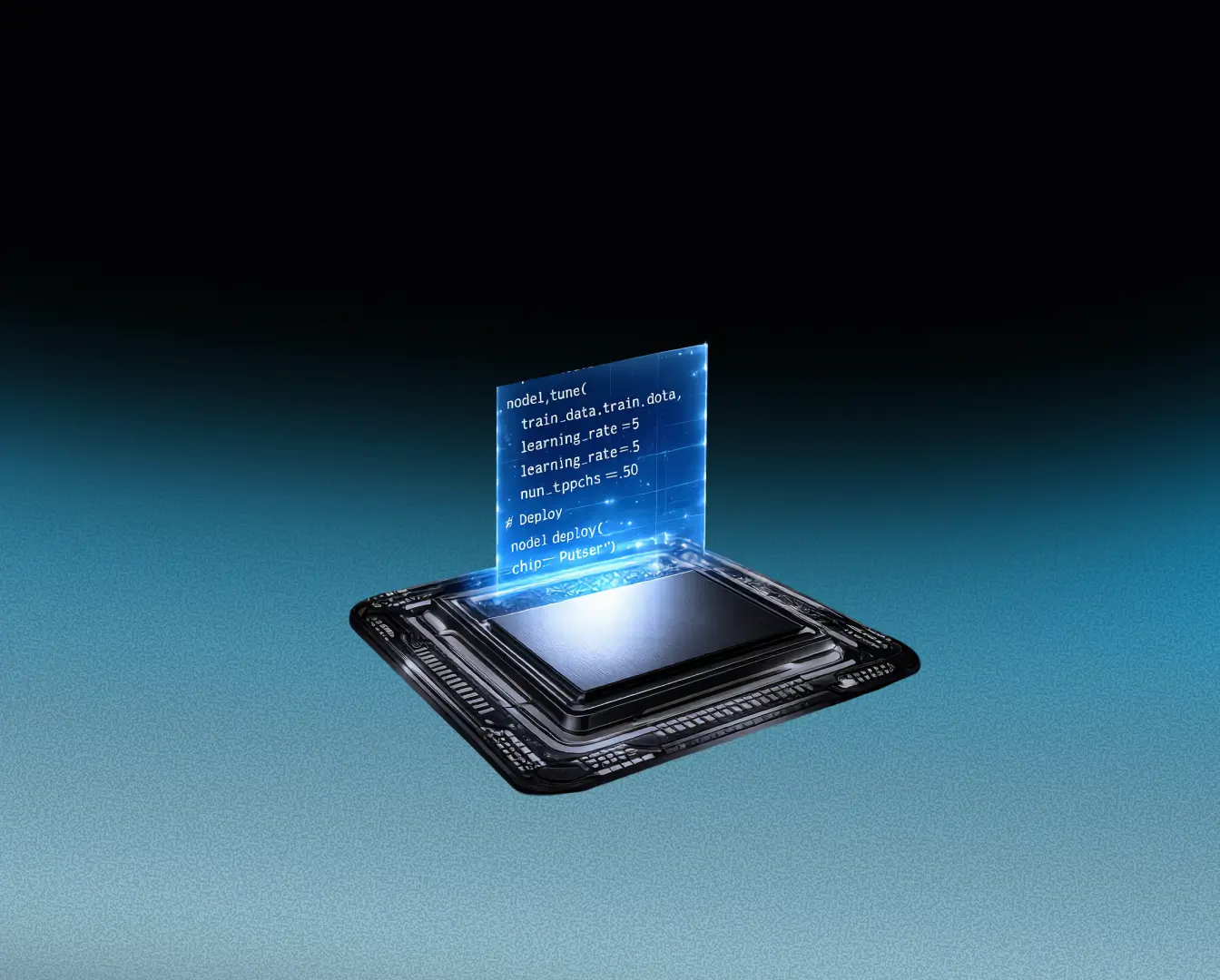
Talamo SDK lets developers import existing models, tune SNNs, and deploy to Pulsar using standard Python tools and workflows.
Neuromorphic vs Conventional AI Architectures
Compute paradigm
Public power claim (inference)
Public latency claim
Comparative efficiency (vendor claim)
On-device vs cloud
Architecture blocks
Always-on sensing fit
Privacy implication
Compute paradigm
Public power claim (inference)
Public latency claim
Comparative efficiency (vendor claim)
On-device vs cloud
Architecture blocks
Always-on sensing fit
Privacy implication
From Signal to Spike to Action
01 Data Capture / Sensing
Real-world signals are continuously captured from sensors, forming the foundation for intelligent, event-driven processing.
02 Encoding: Translating Signals into Spikes
Raw sensor data converts into temporal spike patterns, preserving timing and reducing unnecessary information flow.
03 Spiking Neural Processing
Event-driven SNNs analyze spikes in real time, extracting meaningful patterns with ultra-efficient compute.
04 Decoding / Actionable Output
Processed signals translate into decisions, classifications, or triggers directly at the sensor edge.
05 Feedback & Adaptation
Systems register responses over time, and can enable adaptive behavior and smarter edge intelligence in the future.





Designed for real-world Edge

Instant response without complex system overhead

Longer battery life, smaller thermal budgets

More intelligence per watt in edge deployments

Greater autonomy with less cloud dependency
Real-Life Use Cases
From Sensor to Intelligence
– An Ecosystem Approach
Event-driven sensing, spiking neural processing, and deployment-ready tooling form a complete path from signal to intelligent action at the edge.
Sensor Integration 
Connect diverse sensors and transform raw signals into efficient neuromorphic event streams.
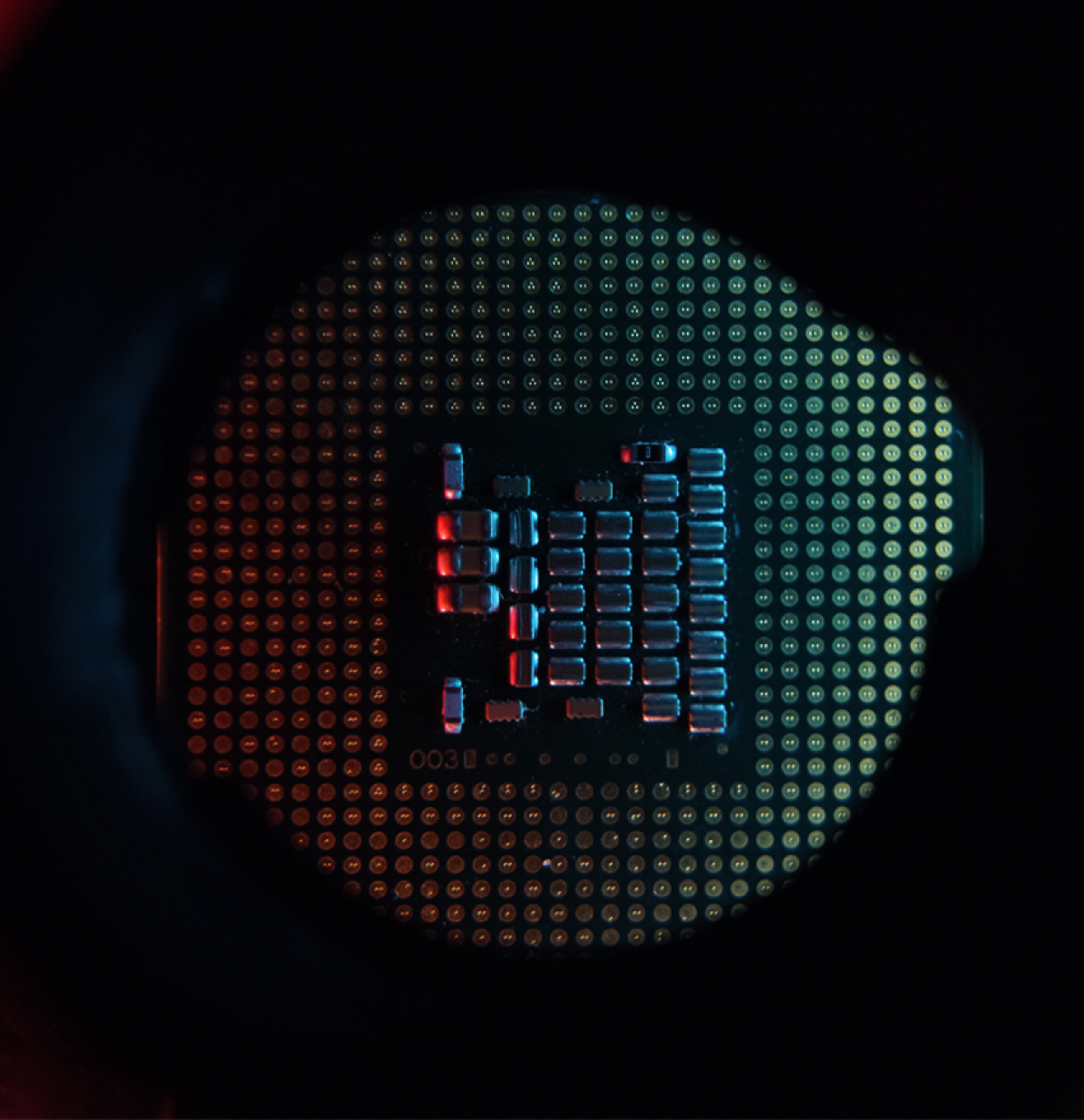
SNN Computation 
Process temporal patterns using event-driven spiking neural networks optimized for edge efficiency.

Application Deployment
Deploy intelligent models directly into products with minimal latency, power, and overhead.
Blogs







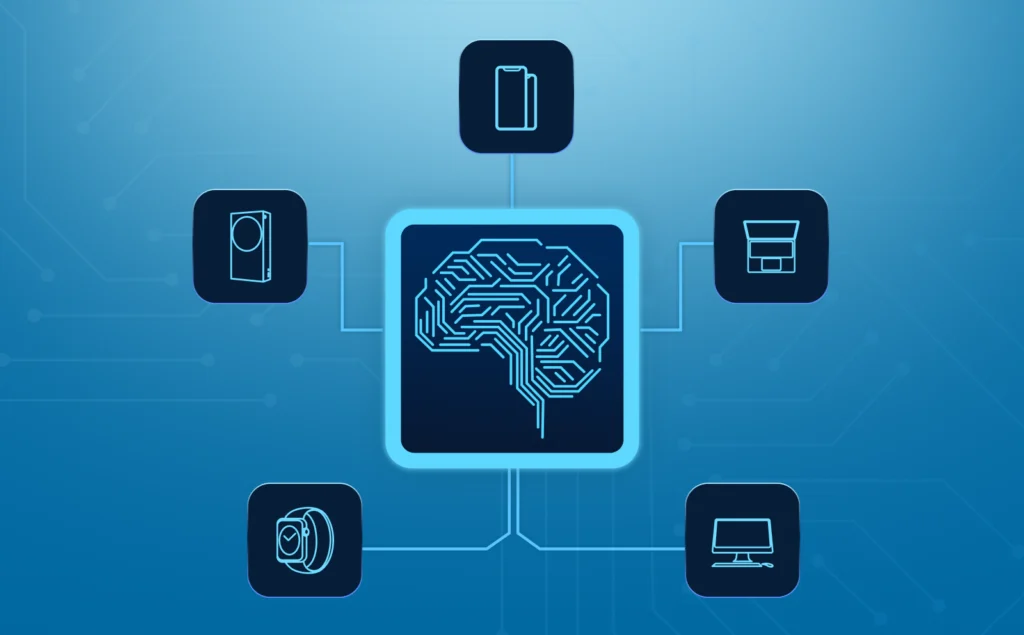



Integrate your Pulsar chip today
Discover how Pulsar’s neuromorphic architecture can transform your next-generation devices with real-time intelligence and ultra-efficient performance at the edge.


